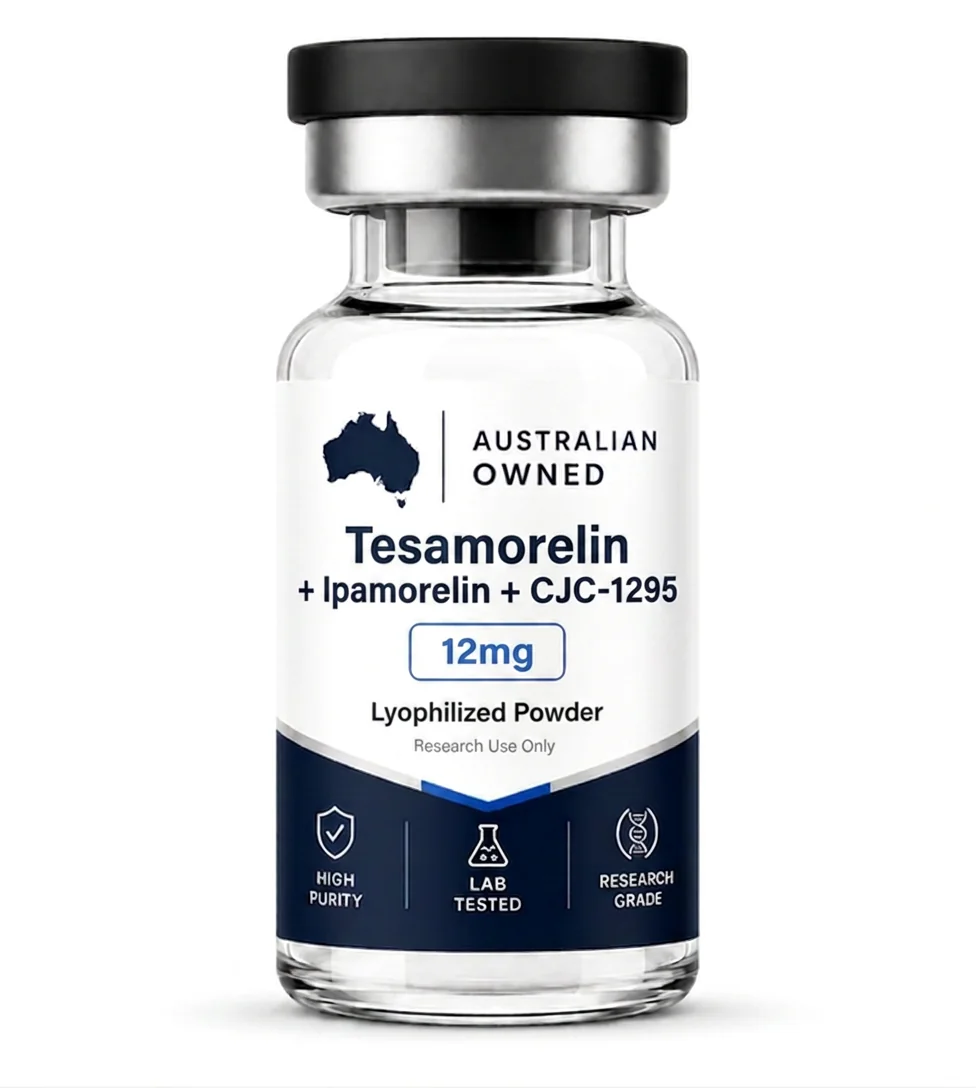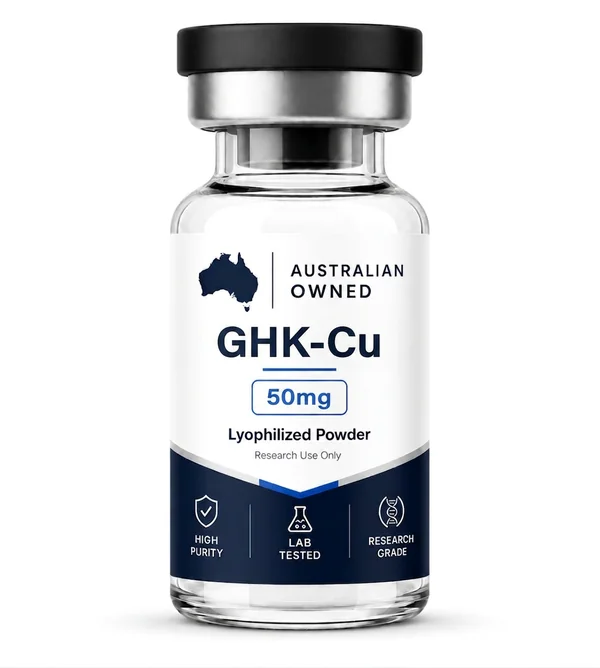
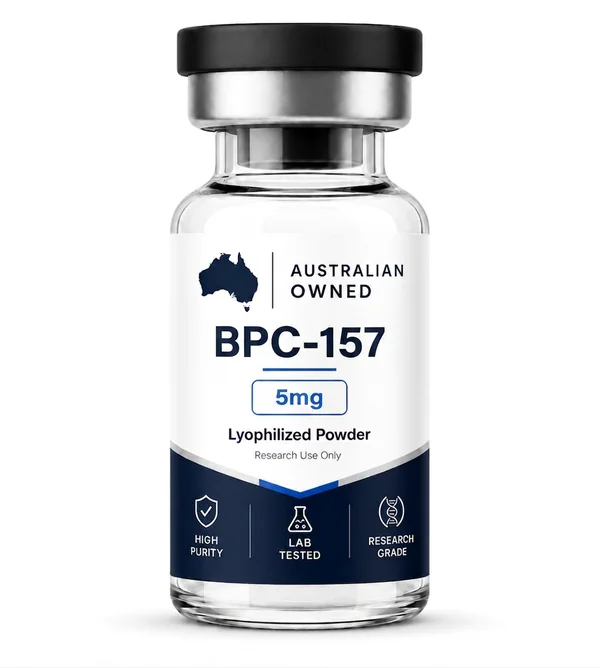
A comprehensive technical reference for Australian investigators seeking to buy BPC 157 and TB 500: analytical testing verification, purity standards, preparation, and local logistics.
Investigating tandem peptide models often brings investigators to the combination of pentadecapeptide BPC 157 and the synthetic thymosin beta-4 derivative TB 500. When academic or institutional scientists in Australia look to initiate a BPC 157 and TB 500 buy, securing dependable, analytically validated peptide material is critical for experimental reproducibility.
This bench reference clarifies the documented mechanisms of both compounds, outlines the mandatory chemical profiling required prior to in vitro deployment, and maps out best practices for handling, reconstitution, and domestic procurement through Klow Peptide.
Scientific Background and Molecular Mechanisms
Within peer-reviewed preclinical literature, BPC 157 and TB 500 represent distinct biological signalling pathways. BPC-157 is widely characterized for its regulatory influence on growth factor expression (such as VEGF and early growth response protein 1) and its involvement in nitric oxide pathways. Conversely, TB-500 mimics the active domain of thymosin beta-4, primarily mediating actin sequestration, cell migration, and cytoskeletal remodeling in cellular models.
While comparative assays explore potential synergistic effects in cell culture and tissue assays, experimental integrity relies heavily on verified chemical properties rather than speculative literature extrapolation.
The Necessity of Lot-Specific Analytical Validation
Peptide batches procured from unverified channels frequently exhibit wide discrepancies in net peptide content, counter-ion presence, and chromatographic purity. A legitimate Certificate of Analysis (COA) serves as the primary barrier against batch-to-batch variation, ensuring that experimental variances stem from experimental conditions rather than compromised reagents.
Examine Independent Lab Analytics
Inspect current third-party chromatography and mass spectra across our peptide catalogue.
Essential Quality Metrics for BPC 157 & TB 500 Lots
| Documentation Type | Analytical Purpose | Verification Stage |
|---|---|---|
| Batch-Specific COA | Confirms chemical identity and quantifies total chromatographic purity | Prior to reconstitution |
| RP-HPLC Profile | Demonstrates separation profile and verifies purity percentage | Prior to reconstitution |
| Mass Spectrometry (MS) | Confirms exact molecular mass matches theoretical calculations | Prior to reconstitution |
| Chain of Custody Log | Documents cold-chain integrity from synthesis to arrival | Upon shipment arrival |
| Preparation Record | Tracks reconstituting solvent, volume, concentration, and bench technician | During preparation |
Acquire Research-Grade BPC 157 and TB 500
High-purity lyophilized vials packaged with lot-verified analytical testing, shipped directly from domestic Australian inventory.
Reconstitution Protocol for Lyophilized Peptides
- Allow both the lyophilized peptide vial and bacteriostatic water to stabilize at ambient room temperature (20–25°C).
- Aseptically sanitize the septum of each vial using an individual 70% isopropyl alcohol wipe.
- Slowly introduce the target volume of bacteriostatic water, aiming the fluid stream along the inner glass surface to prevent mechanical shearing.
- Gently swirl the vial in circular bench movements until the cake dissolves completely into a clear liquid; avoid vigorous shaking.
- Affix a label indicating the final reconstituted concentration, preparation date, handler identification, and lot number.
- Place the finished solution in refrigerated storage at 2–8°C for downstream experimental use within the validated window.
Thermal Stability and Long-Term Storage Benchmarks
- Lyophilized state: Maintain at -20°C in a desiccated environment, shielded from light exposure, to preserve peptide integrity over extended timelines.
- Reconstituted solutions: Keep between 2°C and 8°C in bacteriostatic diluent; experimental integrity is typically preserved over a 28 to 42 day window.
- Freeze-thaw avoidance: Never submit reconstituted peptide solutions to repetitive freeze-thaw cycles; divide into single-use aliquots if storage below 0°C is required.
Australian Laboratory Support
Have technical queries regarding documentation, purity verification, or express regional dispatch? Connect with our team.
Domestic Sourcing Standards Across Australia
Klow Peptide maintains dedicated domestic stock holdings across Australia, bypassing the delays and customs uncertainties of international imports. Every shipment is backed by independently verified COAs accessible through our lab records portal, with direct customer support handled locally during Australian operational hours.
Frequently Asked Questions
How do I access the analytical testing results for a BPC 157 and TB 500 order?
Current analytical documents are publicly catalogued on our Lab Results section, and a matching hard-copy COA is enclosed with each dispatched shipment.
What purity threshold does Klow Peptide mandate for these compounds?
Every production lot dispatched must achieve at least 98% purity as measured by reverse-phase HPLC, with the majority of batches exceeding 99%.
What is the recommended storage procedure once reconstituted?
Solutions prepared with bacteriostatic water should be preserved at 2–8°C, maintained under light-protected conditions, and utilized within 28 to 42 days.
Can researchers review batch analysis prior to placing an order?
Yes. Published HPLC and MS reports for active inventory can be reviewed on our website at any time. For archived study verification, our support team can supply past lot files.
Are BPC 157 and TB 500 authorized for clinical or human consumption?
No. All products offered by Klow Peptide are strictly intended for in vitro, laboratory, and preclinical experimental research in Australia.
What separates Klow Peptide from unregulated peptide vendors?
Full analytical transparency. Klow Peptide provides unambiguous lot traceability linking the label, outer box, and independent analytical reports together.
Secure BPC 157 and TB 500 for Your Laboratory
Access certified research peptides with guaranteed purity and prompt Australian dispatch from Klow Peptide.