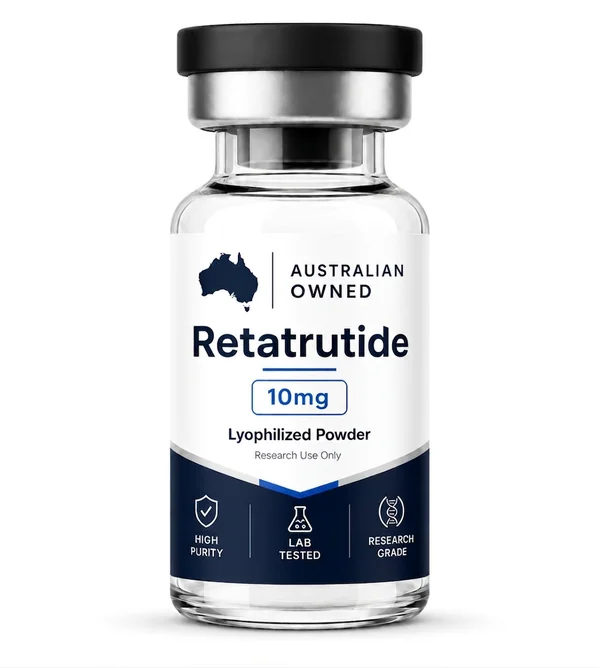
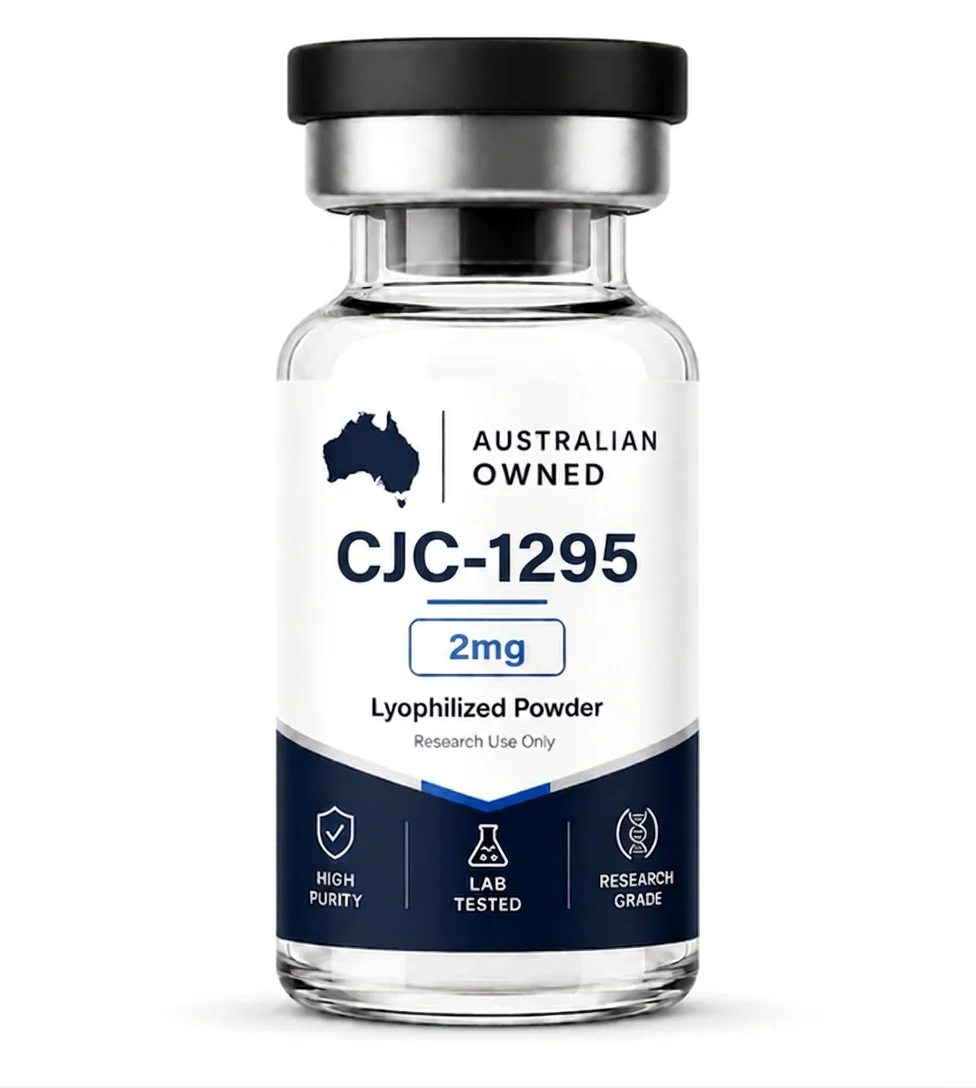
A complete operational handbook for Australian investigators working with CJC Ipamorelin, covering intake quality checks, analytical verification, preparation, and bench handling.
The combination of CJC and Ipamorelin represents one of the most widely evaluated dual-peptide configurations in contemporary endocrinology literature. This technical reference breaks down essential laboratory protocols for Australian researchers, detailing analytical verification standards, reconstitution precautions, and reliable domestic sourcing through Klow Peptide.
To guarantee rigorous experimental reproducibility, Australian facilities must execute a clear standard operating procedure across six critical touchpoints: package intake, COA validation, solvent addition, cold-chain maintenance, experimental drawdown, and inventory replenishment. Every phase mitigates specific physical or chemical risks.
Phase 1: Package Intake and Physical Assessment
- Unpack and process domestic deliveries promptly on arrival to prevent uncontrolled thermal exposure in Australian ambient conditions.
- Cross-reference the external packaging identifiers directly with the dispatch confirmation paperwork for your CJC Ipamorelin order.
- Perform a visual inspection through the glass container: the lyophilized plug should appear uniform, compact, and completely free of collapsing or residue.
- Archive high-resolution intake photographs of the container, outer carton, and included analytical sheet into your electronic lab notebook.
Phase 2: Verifying Analytical Credentials
Prior to transferring any peptide unit into low-temperature preservation, verify its analytical lineage. Taking sixty seconds to audit this chain of custody is your primary barrier against batch heterogeneity and non-conforming synthesis.
- Confirm that the identifier stamped on the vial aligns seamlessly with the outer carton and the associated Certificate of Analysis.
- Examine the high-performance liquid chromatography (HPLC) trace to confirm a minimum peptide purity threshold of 98%.
- Validate the observed molecular weight against theoretical values via the provided mass spectrometry spectrum.
- Upload and index the finalized Certificate of Analysis into your institution's inventory database beside the active batch record.
Calculate Precise Reconstitution Parameters
Determine your required bacteriostatic volume and desired working concentrations before beginning benchtop preparation.
Phase 3: Solvent Addition and Reconstitution
| Step | Laboratory Action | Target Risk Mitigated |
|---|---|---|
| 1 | Equilibrate lyophilized vial and diluent to 20–22°C | Precipitation caused by thermal gradient shock |
| 2 | Disinfect both septa with sterile isopropyl alcohol | Introduction of external bioburden during puncture |
| 3 | Direct fluid stream gently against the glass interior | Peptide structural shear stress and heavy aeration |
| 4 | Gently rotate the container; never agitate violently | Denaturation and physical chain shearing |
| 5 | Affix label stating reconstitution date and final mg/mL | Operator ambiguity during subsequent testing rounds |
| 6 | Transfer to cold storage at 2°C to 8°C promptly | Accelerated chemical hydrolysis at room temperature |
Source Verified CJC Ipamorelin from Klow Peptide
Premium lyophilized peptide formats dispatched directly from our Australian storage facilities with batch-specific purity documentation.
Phase 4: Cold-Chain Stability and Storage
- Maintain reconstituted solutions strictly between 2°C and 8°C immediately following complete solubilisation.
- Plan study schedules within established experimental stability windows, which typically range from 28 to 42 days for preserved formulations.
- Prepare sterile single-use aliquots at day zero if evaluations will run over several weeks to avoid recurrent septum coring.
- Shield reconstituted aliquots from direct sunlight and ambient laboratory lighting to prevent photolytic degradation.
Phase 5: Final Drawdown and Lot Decommissioning
Once an experimental container has been completely utilized or passes its designated stability window, record the residual volume and formally close the container profile in your chemical tracking software. Documenting the decommissioning step ensures comprehensive analytical traceability throughout multi-phase research programs.
Phase 6: Reordering Protocols and Continuity
Acquiring your replacement CJC Ipamorelin units from Klow Peptide ensures continuity across critical controls: domestic shelf stock, synchronized analytical assays, and rapid local shipping. If prospective phases demand tailored packaging or adjusted unit sizes, contact our technical desk prior to ordering to coordinate fulfillment.
Connect with Our Australian Research Support
Have specific inquiries regarding batch chemistry, compliance verification, or scheduled deliveries? Our local desk is here to help.
Frequently Asked Questions: CJC Ipamorelin Laboratory Handling
Is ambient bench storage acceptable for freeze-dried CJC Ipamorelin?
Freeze-dried cakes remain stable during short transit windows at ambient room conditions. However, sustained repository storage demands continuous freezing at -20°C in an airtight, desiccant-protected chamber.
What is the standard functional lifespan once reconstituted?
When reconstituted in quality bacteriostatic water and held between 2°C and 8°C, laboratory trials show practical stability between 28 and 42 days before hydrolysis accelerates.
What procedure applies if an order experiences prolonged transit heat?
Document the condition on intake and contact support@klowpeptide.com.au within 24 hours. Klow Peptide will initiate a rapid replacement if sustained excessive heat has placed the integrity of your shipment at risk.
Can dissolved CJC Ipamorelin be refrozen for extended preservation?
Repeated freeze-thaw cycles disrupt structural integrity through ice-crystal shear. If long-term preservation is necessary, subdivide the mixture into single-experiment aliquots immediately upon reconstitution before any freezing.
How should long-term protocols account for multiple aliquots from one batch?
Record the baseline reconstitution time, concentration, volume drawn per assay run, and parent batch reference. Laboratory management tools can readily connect each session's outcome back to the original analytical batch certificate.
How do researchers access lot-specific analysis files online?
You can inspect current test records via our dedicated Lab Results section, where analytical certificates are published. In addition, physical documentation is included inside each package dispatched by Klow Peptide.
Order CJC Ipamorelin from Klow Peptide
High-purity lyophilized vials stored within Australia and ready for dispatch, accompanied by verified third-party laboratory documentation.