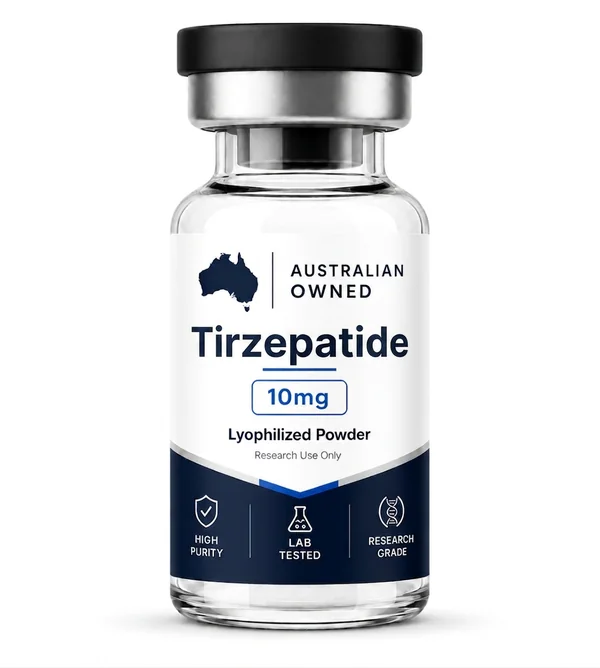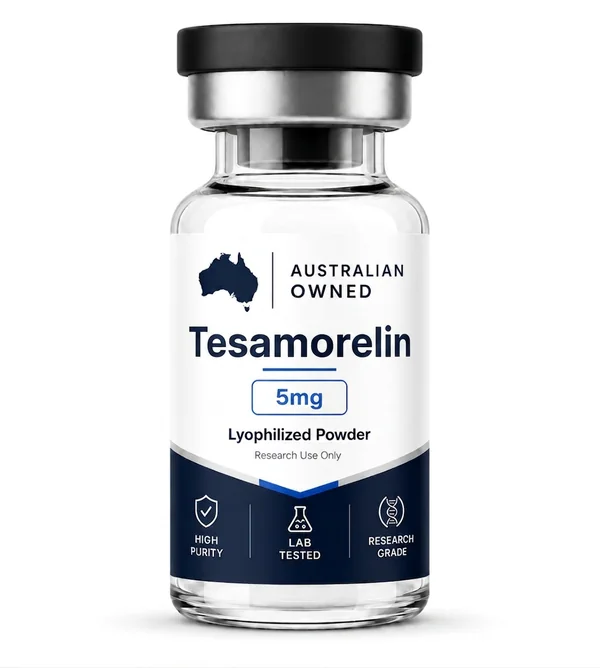
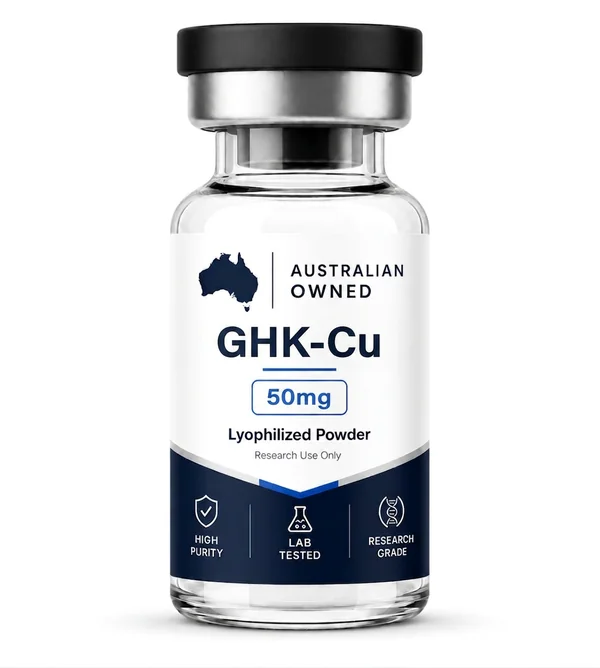
A technical reference for Australian laboratories working with glow peptide, detailing verification criteria, analytical requirements, preparation protocols, and handling practices.
Within Australian biochemical laboratories, glow peptide has gained substantial traction across diverse exploratory models. Establishing reproducible benchmarks requires rigorous sourcing practices, a clear understanding of molecular characteristics, and meticulous benchtop documentation from the moment containers arrive.
Scientific literature provides the necessary framework for designing experimental assays involving glow peptide. Australian investigators can ensure integrity in their trials by aligning working protocols with documented biochemical properties and enforcing strict quality assurance criteria from domestic suppliers.
Mechanistic Overview and Scientific Literature
Formulating any sound laboratory protocol begins with reviewing published data regarding receptor affinity, molecular pathways, and degradation profiles. Teams across Australia regularly review structural determinations and baseline pharmacokinetic findings before establishing handling parameters.
While comparative research on homologous compounds offers valuable baseline reference points, historical literature cannot compensate for untested physical stock. Objective assay outcomes depend entirely on the analytical parameters of the specific vial under investigation.
The Necessity of Batch-Specific Analytical Validation
Variations in synthesis purity, counter-ion balance, or temperature exposure during transit can significantly skew experimental observations across different vendors. Comprehensive analytical certificates guarantee that physical lots match nominal sequence identity and purity targets before work begins.
Confirm Your Batch Integrity
Review independent purity determinations and chromatographic data before preparing working solutions.
Core Quality Control Records for Investigation
| Record Type | Assay Objective | Review Stage |
|---|---|---|
| Certificate of Analysis | Validates overall chemical purity and verified identity | Prior to solvent addition |
| HPLC Trace Analysis | Demonstrates peak clarity and quantifies related substances | Prior to solvent addition |
| Mass Spectrometry (MS) | Matches detected molecular mass to target molecular weight | Prior to solvent addition |
| Cold-Chain Audit Log | Confirms thermal stability throughout transit and warehousing | Upon parcel intake |
| Preparation Worksheet | Logs volume, diluent batch, operator, and concentration | During reconstitution |
Source Research-Grade Glow Peptide
Obtain high-purity lyophilized glow peptide dispatched directly from Australian facilities with full analytical transparency.
Standard Laboratory Reconstitution Procedure
- Allow both the lyophilized glow peptide container and the bacteriostatic diluent to equilibrate to ambient temperature (20–25°C).
- Decontaminate the septum surfaces of both vials using sterile 70% isopropyl alcohol wipes.
- Aspirate the calculated diluent volume and direct the flow gently along the inner glass surface to minimize mechanical disruption.
- Gently rotate the vial in a horizontal plane without vigorous agitation until the lyophilized powder is completely clarified.
- Record preparation date, final target concentration, lot identifier, and technician details on the secondary label.
- Transfer the reconstituted stock to refrigerated conditions (2–8°C) and utilize within the established stability window.
Thermal Preservation and Stability Guidelines
- Lyophilized format: Maintain at -20°C in an airtight container protected from ambient light exposure for long-term integrity.
- Liquid state: Preserve between 2°C and 8°C using bacteriostatic water, typically maintaining viability for 28 to 42 days under controlled parameters.
- Thermal stress reduction: Avoid multiple freeze-thaw cycles by partitioning stock into single-use aliquots immediately after reconstitution.
Contact Technical Support
Our domestic team is available to assist with documentation verification, logistical details, and bulk research inquiries.
Domestic Supply Infrastructure at Klow Peptide
Klow Peptide fulfills orders locally within Australia, ensuring expedited handling, robust cold-chain preservation, and accessible customer communication via support@klowpeptide.com.au. Each distributed lot connects directly to publicly posted documentation, providing researchers with complete operational traceability.
Frequently Asked Questions
How can researchers access the analytical data for glow peptide?
Individual lot documentation and chromatography files are maintained on our dedicated Lab Results page, with matching hard copies included alongside every physical consignment.
What level of chemical purity is maintained for glow peptide batches?
Klow Peptide sets an analytical specification threshold of at least 98% purity as measured by HPLC, with typical batches exceeding 99%.
What is the recommended storage protocol once the compound is in solution?
Keep the solution refrigerated at 2–8°C using bacteriostatic diluent. Depending on laboratory experimental controls, stability remains reliable across a 28 to 42-day timeframe.
Can analytical documentation be retrieved for historical research lots?
Yes. Current batch reports are open to the public online, and our support team can supply archived certificates for prior project records upon request.
Is glow peptide approved for clinical administration?
No. Materials provided by Klow Peptide are intended solely for in vitro laboratory investigations and academic research within Australia, strictly excluded from human consumption.
What differentiates Klow Peptide products from non-verified market sources?
Traceability and validation. Every shipment from Klow Peptide includes batch-specific analytical confirmation cross-referenced to serial identifiers on the vial and box.
Secure Research Materials
Acquire certified glow peptide dispatched locally from our Australian warehouse, complete with lot-verified analytical testing.