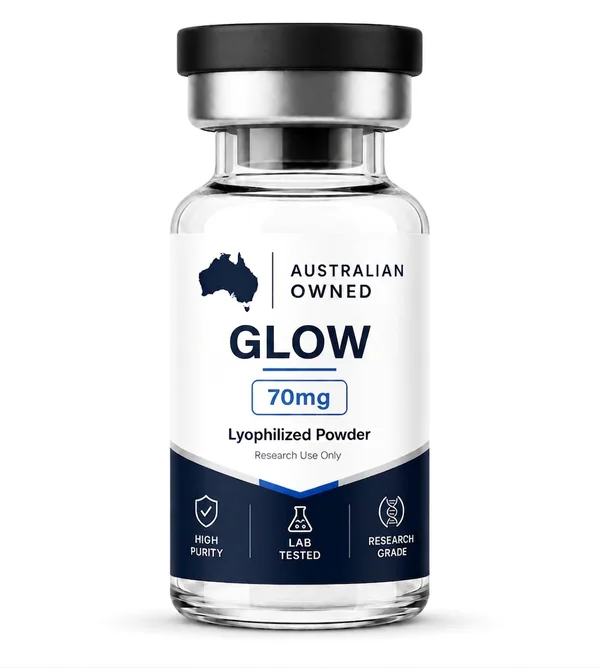

A technical overview of hydrolyzed collagen peptides, examining molecular profile requirements, quality testing criteria, and benchmark laboratory handling.
Derived via controlled thermal, enzymatic, or acidic processing of structural collagen matrices, hydrolyzed collagen peptides comprise a broad spectrum of short-chain biopeptides. For investigative laboratories, establishing baseline lot parameters—including origin matrix, distribution of molecular weights, and specific amino acid ratios—is imperative before integrating samples into experimental systems.
Within academic and biotechnology sectors across Australia, working with hydrolyzed collagen peptides necessitates rigorous procedural alignment. Designing reproducible assays requires synthesizing benchmark findings from peer-reviewed publications with exact analytical verification provided by an Australian supplier.
Mechanistic Literature and Contextual Assay Design
Biochemical investigations into hydrolyzed collagen peptides frequently examine cellular signaling cascades, extracellular matrix assembly markers, and metabolic uptake dynamics. When preparing in vitro models, investigators routinely evaluate reference pharmacokinetics, enzymatic degradation trends, and structural stability profiles documented in standard peptide databases.
While academic publications comparing collagen-derived fractions provide useful theoretical foundations, published findings cannot replace empirical analysis. Structural variances between extraction batches demand explicit, batch-specific analytical testing before starting bench work.
The Necessity of Batch-Specific Quality Control
Minor discrepancies in extraction parameters or transit conditions across vendors can introduce molecular weight drift and variable degradation curves. Independent certificates of analysis verify the precise peptide makeup of your specific container, safeguarding against irreproducible laboratory results.
Calculate Precise Dilution Parameters
Establish accurate reconstitution volumes, target molarities, and working concentrations for your laboratory workflows.
Required Analytical Records for Experimental Integrity
| Analytical Record | Verification Scope | Review Protocol |
|---|---|---|
| Batch Certificate of Analysis | Validates structural identity and verified purity threshold | Prior to preparing solution |
| RP-HPLC Trace | Visual peak separation displaying relative purity percentage | Prior to preparing solution |
| Mass Spectrometry (MS) | Matches expected spectral peaks against theoretical molecular weights | Prior to preparing solution |
| Chain-of-Custody Cold Log | Validates thermal compliance from synthesis through delivery | Upon inventory intake |
| Reconstitution Bench Sheet | Catalogs diluent lot, final concentration, dates, and handling chemist | At sample preparation |
Source Verified Research Compounds in Australia
Analytical-grade hydrolyzed collagen peptides held locally for swift nationwide dispatch via tracked domestic express shipping.
Standard Laboratory Reconstitution Procedure
- Permit the lyophilized peptide vial and sterile bacteriostatic medium to reach ambient lab temperature naturally.
- Sanitize the septum of each vial using a fresh 70% isopropyl alcohol wipe and allow them to air-dry completely.
- Aspirate the determined volume of diluent and introduce it slowly down the glass vessel wall to prevent foaming.
- Gently rotate the vial in a smooth circular movement until the solid matrix clarifies entirely; avoid mechanical shaking.
- Document preparation timestamp, target concentration, technician identity, and source batch number directly on the label.
- Refrigerate the dissolved fraction at 2–8°C, adhering strictly to documented assay consumption windows.
Thermal Preservation and Sample Integrity
- Lyophilized format: Maintain at -20°C in dark, desiccant-controlled storage within the hermetically sealed factory vial.
- Liquid solution: Store at 2–8°C using bacteriostatic water, typically maintaining assay utility over 28–42 days depending on experimental criteria.
- Thermal cycling: Mitigate degradation by preparing single-use aliquots during reconstitution to prevent repeated freeze-thaw events.
Connect with the Klow Peptide Technical Team
Our Australian support team is available to assist with batch documentation, logistics tracking, or bulk compound sourcing.
Domestic Supply Considerations within Australia
Klow Peptide addresses the operational needs of domestic researchers by storing its full inventory locally. By dispatching straight from Australian distribution facilities, we eliminate overseas customs holdups and provide verifiable third-party testing alongside local-business-hour support.
Frequently Asked Questions
How can research staff obtain the current COA for hydrolyzed collagen peptides?
Batch-level analytical documentation is accessible directly through our dedicated online lab testing hub and is supplied alongside every physical shipment from Klow Peptide.
What purity threshold is required for hydrolyzed collagen peptides at Klow Peptide?
We maintain an analytical benchmark of ≥ 98% purity as measured by HPLC across every batch, with numerous lots exceeding 99% upon release.
What is the recommended storage parameter for reconstituted peptide solutions?
Once reconstituted in bacteriostatic diluent, solutions should remain refrigerated at 2–8°C and evaluated within standard 28 to 42-day research timelines.
Can analytical profiles be examined prior to placing a research order?
Yes. Current chromatography and mass spectrometry data are viewable on our website. For archived lot verification, contact support@klowpeptide.com.au.
Are hydrolyzed collagen peptides approved for therapeutic administration?
No. All materials from Klow Peptide are distributed strictly for in vitro, preclinical, and scientific laboratory investigations within Australia.
Why source hydrolyzed collagen peptides through Klow Peptide over overseas re-sellers?
We ensure full chain-of-custody verification. Every container displays a verified lot number corresponding directly to our published analytical reports.
Order High-Purity Hydrolyzed Collagen Peptides
Australian-held research peptides tested for purity via HPLC. Orders dispatched daily on weekdays with fully tracked Express Post.