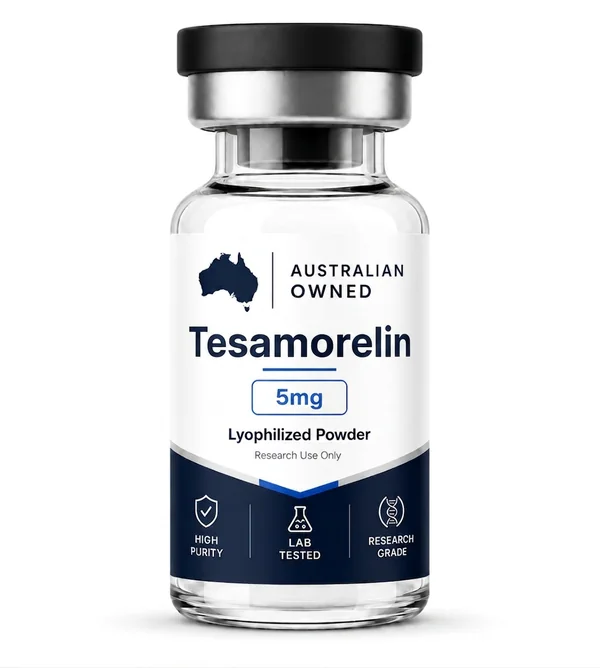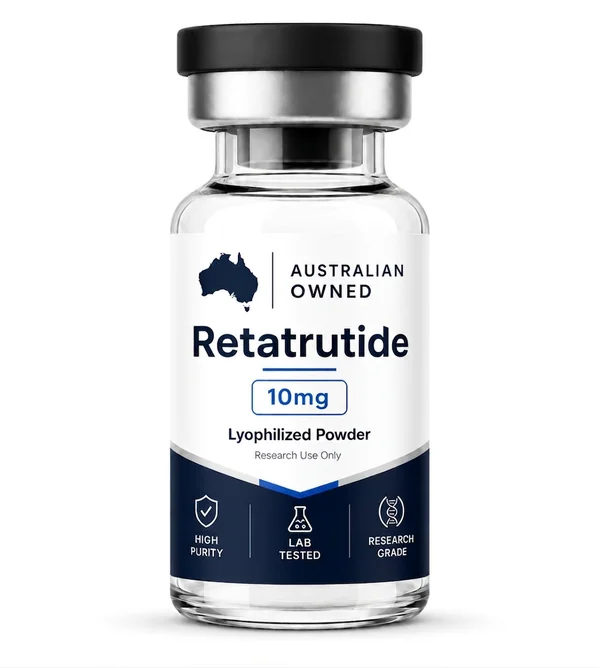

A technical benchmark for Australian facilities acquiring peptides aus — covering batch authentication, reconstitution workflows, cold-chain maintenance, and domestic compliance.
For university departments and analytical laboratories nationwide, sourcing "peptides aus" demands an uncompromising standard of analytical verification and localized logistics. Securing reference compounds within Australia requires transparency regarding peptide synthesis integrity, lot-specific batch tracking, and reliable domestic dispatch that keeps thermal degradation risks to an absolute minimum.
This operational workflow establishes a methodical chain of custody for research groups utilizing peptides aus across Australian laboratories: intake verification → analytical auditing → reconstitution → cold-chain storage → experimental consumption → inventory restock.
Stage 1 — Intake and Initial Visual Triage
- Collect and process inbound shipments immediately upon delivery to minimize ambient thermal exposure during Australian summer periods.
- Cross-reference the serial lot and batch coding printed on the secondary packaging against your dispatch manifest.
- Perform a visual assessment of the lyophilized peptide cake through the glass vial to verify structural integrity without signs of premature collapse or moisture ingress.
- Capture digital intake imagery documenting the vial, outer packaging, and physical documentation for internal compliance logs.
Stage 2 — Analytical Documentation and Certificate Auditing
Before placing any vial into long-term cryogenic storage, researchers must validate the analytical paper trail. Performing this quick check shields experimental models against undetected lot variance.
- Audit the vial neck label, outer carton tag, and the Certificate of Analysis (COA) to confirm identical lot designations.
- Verify that High-Performance Liquid Chromatography (HPLC) results display a purity profile equal to or exceeding 98%.
- Confirm that electrospray ionization mass spectrometry (ESI-MS) confirms the exact expected theoretical molecular weight for your sequence.
- Record the digital COA into your institutional laboratory database alongside your chemical inventory identifier.
Essential Reconstitution and Research Assets
Access our dilution utility, batch analytics, and quality benchmarks.
Stage 3 — Reconstitution Protocol for Peptides aus
| Phase | Laboratory Procedure | Failure Mode Prevented |
|---|---|---|
| 1 | Equilibrate vial and diluent to ambient room temperature | Thermal shock and condensation within the lyophilized matrix |
| 2 | Sterilize both septa with 70% isopropyl alcohol wipes | Particulate and microbial contamination during needle puncture |
| 3 | Dispense bacteriostatic water along the interior glass wall | Excessive foaming and shear-stress-induced denaturation |
| 4 | Gently rotate the vial horizontally without shaking | Mechanical fragmentation of peptide secondary structures |
| 5 | Record concentration and reconstitution date clearly | Dosing and dilution ambiguity throughout downstream phases |
| 6 | Transition to calibrated dark cold storage at 2–8°C | Accelerated thermal degradation outside controlled refrigeration |
Procure Tested Peptides aus with Full Batch Analytics
Every shipment fulfilled by Klow Peptide includes matching HPLC and mass spectrometry documentation.
Stage 4 — Storage Guidelines for Solubilized Solutions
- Maintain dissolved solutions strictly between 2°C and 8°C in sterile bacteriostatic diluent.
- Schedule testing cycles within the documented post-reconstitution window, generally 28 to 42 days depending on sequence volatility.
- Divide working volumes into single-use aliquots at day zero to eliminate repetitive septum penetration and ambient exposure.
- Store vials protected from light sources and away from dynamic defrost air currents inside laboratory refrigeration.
Stage 5 — Depletion and Waste Compliance
Once an experimental series concludes or a vial is spent, record final volume reconciliation and hazardous waste disposal steps in your internal inventory log. This ensures full compliance with institutional audit criteria and prepares the pipeline for consistent replenishment.
Stage 6 — Restocking Sequences and Batch Continuity
Re-ordering through Klow Peptide preserves rigorous experimental repeatability. With inventory held domestically in Australia, labs receive synchronized lot records and prompt local transit. For extended longitudinal trials requiring specific reserve lots or custom packaging formats, reach out to our team at support@klowpeptide.com.au prior to placing your order.
Consult the Klow Peptide Technical Support Team
Direct questions about analytical verification, local dispatch, and high-volume orders to our Australian team.
Frequently Asked Questions: Working with Peptides aus
Is short-term ambient transit safe for unmixed lyophilized cakes?
Yes. Lyophilized peptide powders remain chemically stable during rapid domestic transit. However, once received, store sealed containers at -20°C for optimal multi-year preservation.
What is the expected working lifespan of a reconstituted peptide?
When hydrated with bacteriostatic water and held at 2–8°C, most reconstituted research solutions remain viable for approximately 28 to 42 days.
What action should be taken if a shipment arrives with significant heat exposure?
Document parcel condition with photographs and submit an alert to support@klowpeptide.com.au within 24 hours. Klow Peptide will arrange a replacement when package temperature logs indicate compromised lot stability.
Can reconstituted research solutions be placed back into the freezer?
Routine freeze-thaw cycles disrupt peptide integrity and should be avoided. The standard method is to aliquot into dedicated sterile cryovials upon initial reconstitution if extended freezing is mandated.
How should long-term multi-session assays record partial vial usage?
Log initial reconstitution dates, solvent concentrations, individual draw volumes, and associated lot numbers in your laboratory notebook, referencing the master batch COA for every session.
How are current analytical batch certificates accessed?
Every Klow Peptide delivery includes a matching paper Certificate of Analysis. Furthermore, full HPLC and mass-spectrometry records for active batches are available via our online Lab Results directory.
Equip Your Lab with Certified Research Peptides
Every batch available from Klow Peptide includes independent analytical documentation for verified purity.