
A rigorous protocol manual for handling peptides reta across Australian research environments—covering batch auditing, reconstitution, and stability best practices.
Within domestic laboratories, "peptides reta" represents one of the most rigorously evaluated molecular subjects in metabolic investigation. This benchmark reference centralises critical chemical specifications, analytical documentation protocols, reconstitution procedures, and quality benchmarks used by Australian researchers.
Maintaining rigorous trial reproducibility demands strict procedural adherence across the entire compound lifecycle: inbound inspection, analytical cross-referencing, hydration, storage, study execution, and restocking. Below is the full standard operating framework designed to mitigate experimental variability.
Phase 1: Inbound Package Receipt and Initial Assessment
- Process deliveries promptly upon arrival; avoid leaving packages in ambient Australian summer temperatures or direct sun.
- Cross-reference the packaging lot identifier against your formal dispatch notice for the peptides reta shipment.
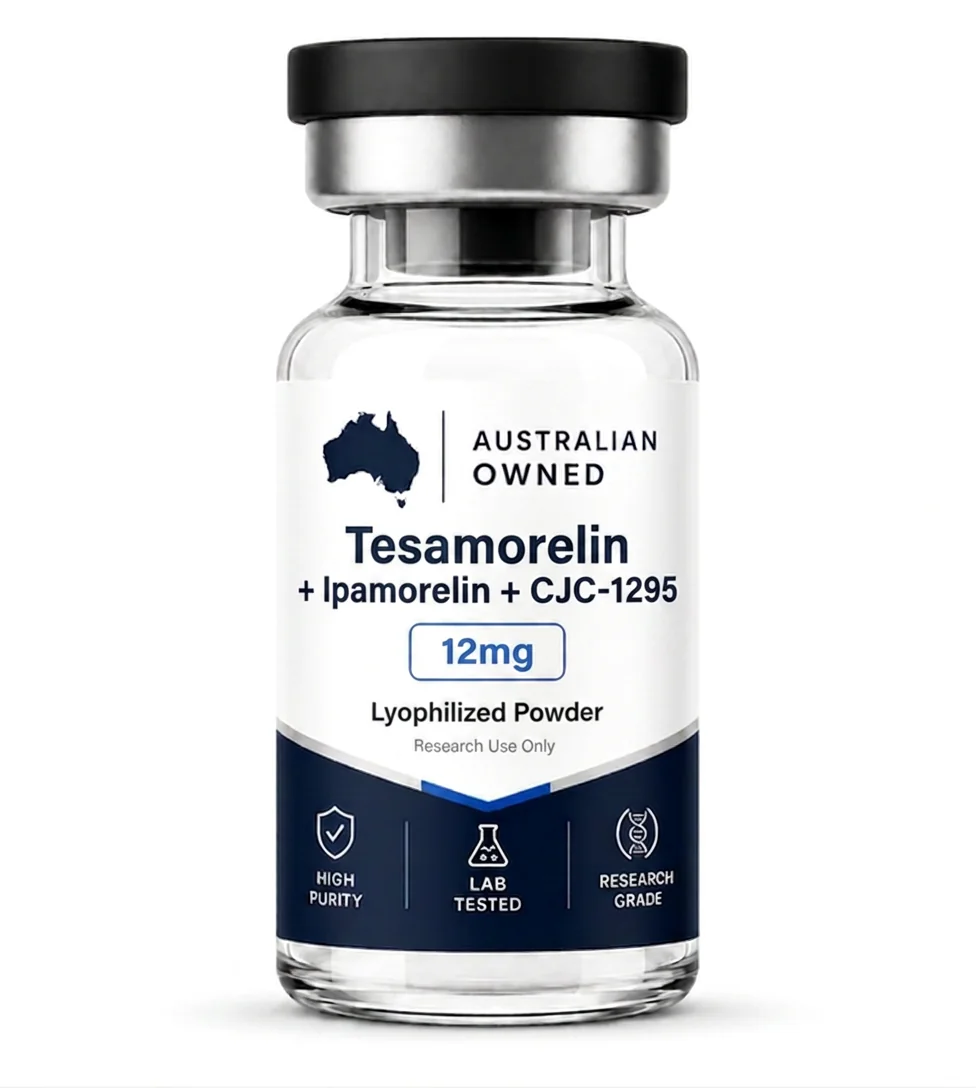
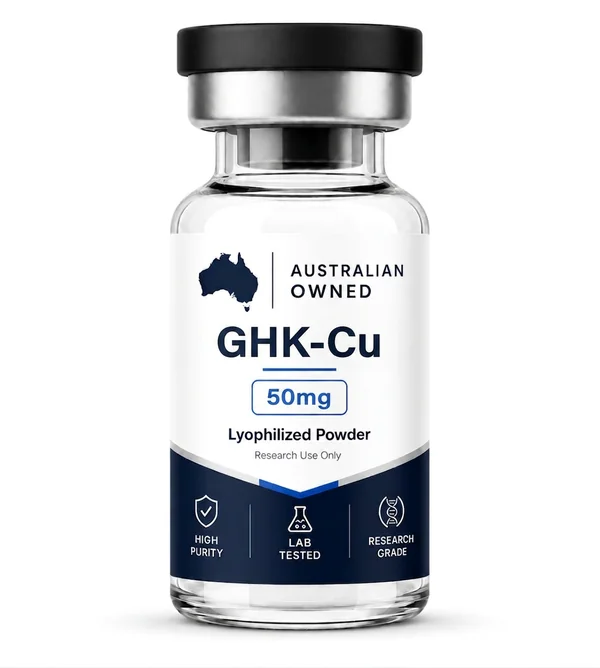
- Perform a clean visual inspection through the glass vial: the lyophilised cake should be uniform, intact, and free of discoloration or partial melting.
- Catalog high-resolution photographs of the primary container, secondary packaging, and accompanying documentation into the laboratory inventory management system.
Phase 2: Analytical Quality Control and Lot Validation
Prior to transferring any vial into ultra-low temperature storage, research staff must cross-validate the analytical documentation. Conducting this brief verification step prevents the introduction of unverified material into long-term research cohorts.
- Confirm that the lot numbers printed across the vial label, box packaging, and Certificate of Analysis match perfectly.
- Examine the analytical data to verify high-performance liquid chromatography (HPLC) purity measures at or above 98.0%, reviewing the baseline chromatogram.
- Check that electrospray or matrix-assisted mass spectrometry data aligns with the published relative molecular mass for peptides reta.
- Archive the digital COA alongside internal study documentation linked directly to the parent lot ID.
Examine Verified Analytical Data
Review current high-resolution chromatograms and third-party laboratory reports before hydrating your research compound.
Phase 3: Systematic Reconstitution Protocol
| Stage | Procedure | Risk Mitigated |
|---|---|---|
| 1 | Equilibrate vial and bacteriostatic diluent to ambient lab temp | Prevents thermal shock and rapid structural contraction |
| 2 | Sanitise both septum surfaces using sterile 70% IPA | Eliminates surface microflora contamination during needle entry |
| 3 | Introduce diluent steadily down the internal glass wall | Minimises aggressive turbulence, foaming, and peptide shear |
| 4 | Gently rotate the vial via smooth circular motions | Avoids mechanical agitation and secondary peptide denaturation |
| 5 | Record reconstitution date, solvent type, and nominal concentration | Prevents protocol discrepancies during subsequent assay steps |
| 6 | Transfer immediately to dark chilled storage at 2–8°C | Halts rapid hydrolytic degradation outside cold-chain parameters |
Source Peptides Reta from Klow Peptide
High-purity lyophilised peptides reta dispatched from our domestic Australian facility, accompanied by verifiable analytical certificates.
Phase 4: Cold-Chain Management and Solution Stability
- Maintain reconstituted solutions strictly between 2°C and 8°C in bacteriostatic medium without thermal interruption.
- Utilise working solutions within verified laboratory stability windows, routinely assessed between 28 and 42 days for stable analogs.
- Sub-aliquot immediately following initial hydration if your research timeline spans extended intervals, minimising repeated septum coring.
- Shield the compound from ambient ultraviolet light and keep it clear of automated defrost cycles inside standard refrigeration units.
Phase 5: Study Completion and Reagent Disposal
Once experimental protocols are finalised or working volume limits are reached, log the final residual quantities and execute verified biohazard or chemical disposal according to your facility's environmental health guidelines. Properly closing out the record ensures seamless traceability into sequential study phases.
Phase 6: Continuity of Supply and Batch Replenishment
Maintaining identical compound integrity across iterative experimental stages requires supply consistency. Klow Peptide facilitates streamlined re-orders backed by domestic stock holdings, verifiable documentation, and rapid Australian dispatch. If upcoming study parameters demand modified vial sizing or batch reservations, our technical support desk can coordinate your delivery schedules.
Connect with Klow Peptide Research Support
Our local support specialists assist Australian institutions with batch validation, logistics queries, and bulk research requirements.
Frequently Asked Laboratory Questions
Can unconstituted peptides reta remain at room temperature?
Lyophilised powders tolerate short transit periods at ambient temperature. Nevertheless, long-term integrity requires continuous storage at -20°C in an unpunctured, desiccated environment.
What is the operational stability window for reconstituted peptides reta?
When hydrated with preserved bacteriostatic water and held between 2°C and 8°C, published literature supports an operational viability period of approximately 28 to 42 days.
What protocol should be followed if a shipment arrives thermally compromised?
Take clear digital images of the parcel upon arrival, document internal temperatures if a data logger is included, and contact support@klowpeptide.com.au within 24 hours to arrange an immediate replacement.
Can researchers freeze peptides reta after liquid reconstitution?
Repeated freeze-thaw cycles typically induce shearing and aggregation. If extended storage is unavoidable, prepare single-use sterile aliquots immediately post-hydration and store at -80°C once, avoiding re-freezing.
How should multi-week experimental aliquots be documented?
Record the preparation date, exact concentration per volume, user initials, and parent batch reference directly in your electronic lab notebook to tie all experimental runs to the original certificate.
Where are verified COAs accessed for current Klow Peptide inventory?
Complete analytical profiles, including HPLC and mass spectrometry scans, are maintained on our dedicated Lab Results portal, with physical verification copies supplied alongside every order.
Order Validated Research Compounds Today
Access certified peptides reta for your in vitro and laboratory trials, distributed promptly across Australia with complete chain-of-custody documentation.