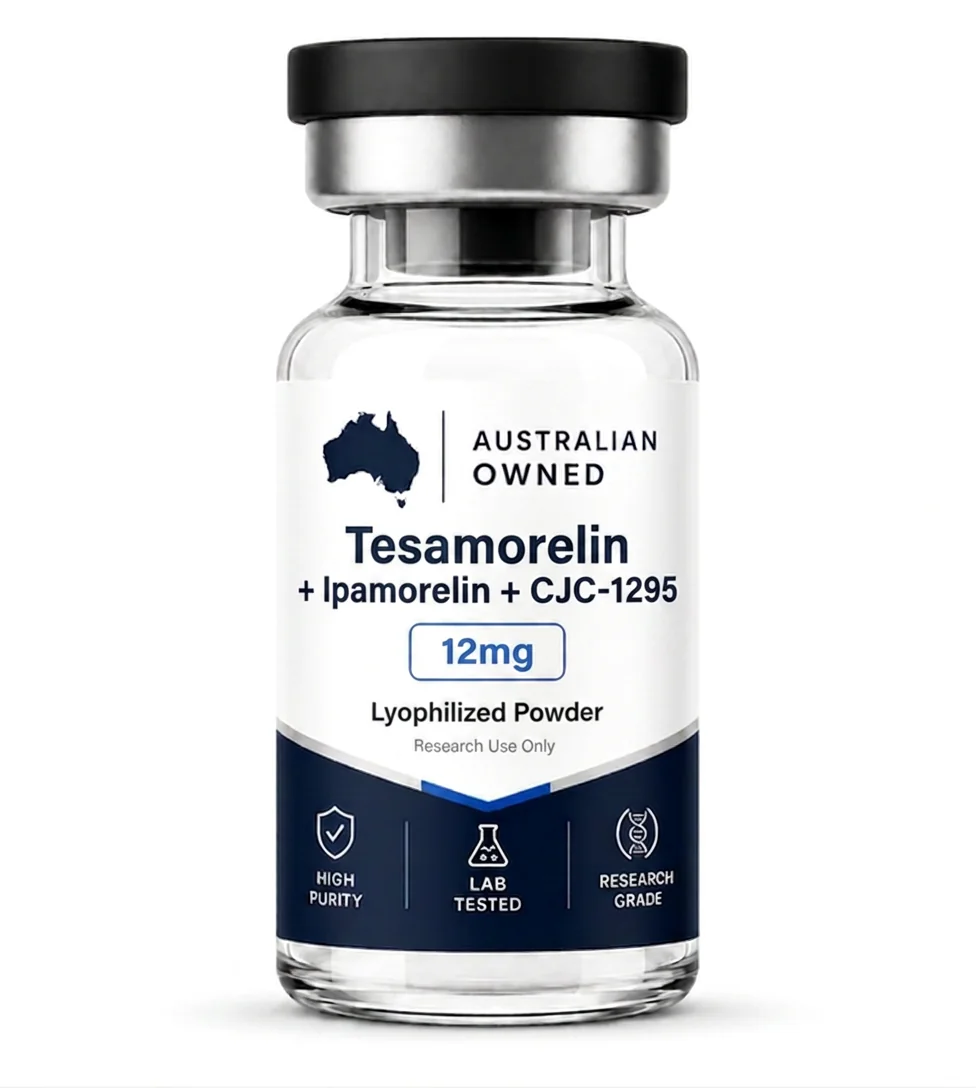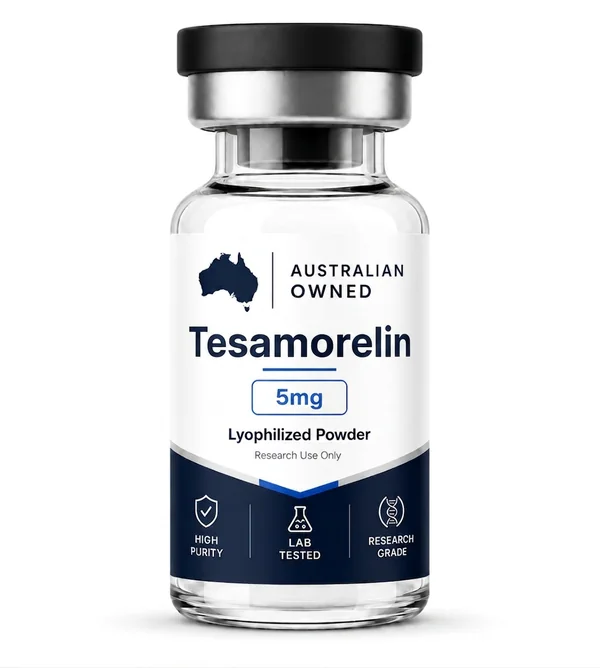

A comprehensive technical reference for Australian investigators sourcing australia peptides. Covers HPLC testing criteria, documentation chains, storage, and handling.
When domestic research facilities look to acquire research compounds, sourcing verified australia peptides remains a central focus. Establishing a trustworthy pipeline requires evaluating analytical testing, cold-chain handling, and batch reliability. At Klow Peptide, we adhere strictly to high analytical baselines so that domestic investigators receive consistent, high-purity reagents for their experimental models.
Designing rigorous experimental protocols demands total confidence in your chemical inputs. While peer-reviewed data on australia peptides provides the biochemical roadmap, translational benchwork relies entirely on the material integrity of each batch supplied within Australia.
Evaluating Published Literature vs. Lot Verification
Before establishing assays involving australia peptides, laboratory teams evaluate mechanism papers, molecular mass calculations, and structural solubility benchmarks. These peer-reviewed data points establish the expected parameters for your assays.
Nonetheless, literature values are theoretical until confirmed on the physical reagent in hand. Structural integrity can vary significantly across manufacturers if rigorous quality controls are neglected, making verified batch documentation indispensable.
The Necessity of Independent Batch Testing
Reagent inconsistency between providers offering australia peptides often stems from unmonitored degradation, residual solvent traces, or counterion imbalances. Validating high-performance liquid chromatography and mass spectrometry reports guarantees that experimental variables reflect true biological activity rather than chemical impurities.
Precision Reagents & Scientific Resources
Utilize our reconstitution calculator, review analytical certificates, and explore our quality benchmarks.
Critical Quality Documentation for Bench Research
| Document | Purpose | When to check |
|---|---|---|
| Batch Certificate of Analysis | Validates chromatographic purity and sequence identity | Prior to reconstitution |
| HPLC Chromatogram Plot | Direct visualization of main peak resolution and purity area | Prior to reconstitution |
| Mass Spectrometry (ESI/MS) | Confirms observed mass matches calculated molecular weight | Prior to reconstitution |
| Chain of Custody Log | Documents post-lyophilization handling and storage temps | Upon laboratory arrival |
| Bench Reconstitution Sheet | Records solvent volume, lot numbers, and final working concentration | At time of dissolution |
Acquire Research-Grade Reagents from Klow Peptide
Every vial of lyophilized material ships from our Australian facility accompanied by lot-verified analytical testing.
Recommended Reconstitution Workflow
- Equilibrate both the lyophilized australia peptides and diluent to room temperature in a sterile hood.
- Decontaminate vial septa thoroughly using sterile 70% isopropyl alcohol wipes.
- Aspirate bacteriostatic water and dispense gently along the inner glass wall to minimize shear forces.
- Rotate the vial with a gentle circular motion until dissolution is complete; do not agitate violently.
- Document concentration, preparation date, handler ID, and original lot code on the vial label.
- Refrigerate at 2–8°C promptly and maintain strict aliquoting protocols to prevent repeated thermal shifts.
Thermostability and Cold-Chain Parameters
- Dry lyophilized material: Maintain at -20°C in a desiccated environment protected from light exposure.
- Liquid solution: Keep maintained at 2–8°C using bacteriostatic water, maintaining stability throughout standard study windows (typically 28 to 42 days).
- Prevent repetitive freeze-thaw cycles by partitioning reconstituted reagents into dedicated single-use aliquots.
Connect With Our Australian Support Team
Reach out to our domestic staff for inquiries regarding analytical documentation, bulk requirements, or dispatch logistics.
Domestic Distribution Framework for Australian Science
Klow Peptide operates direct-from-Australia storage and dispatch for all domestic orders. Local fulfillment circumvents extended transit periods, international customs bottlenecks, and temperature extremes, ensuring research facilities across Australia receive pristine peptides backed by transparent testing.
Frequently Asked Questions
How can I access analytical documentation for my batch?
Current batch testing is accessible via our Lab Results repository, and each physical order includes matching verified documentation.
What purity threshold does Klow Peptide uphold?
We mandate a baseline purity of ≥98% via analytical HPLC for our entire inventory, with the majority of batches exceeding 99%.
What is the standard holding temperature after reconstitution?
Reconstituted solutions should be refrigerated between 2°C and 8°C in bacteriostatic medium, remaining stable for standard laboratory schedules of 28–42 days.
Is it possible to review batch verification before placing an order?
Yes. Analytical summaries are transparently hosted online. For archived study documentation, reach out to support@klowpeptide.com.au.
Are these peptides intended for therapeutic administration?
No. All catalog items from Klow Peptide are strictly intended for in vitro, preclinical, and laboratory experimentation.
What distinguishes domestic sourcing from unverified import channels?
Transparent analytical validation. Klow Peptide provides unambiguous verification via dedicated batch tracking, HPLC profiles, and domestic custody control.
Order Verified Peptides for Your Laboratory
Explore our catalog of high-purity lyophilized research peptides stocked and dispatched domestically across Australia.