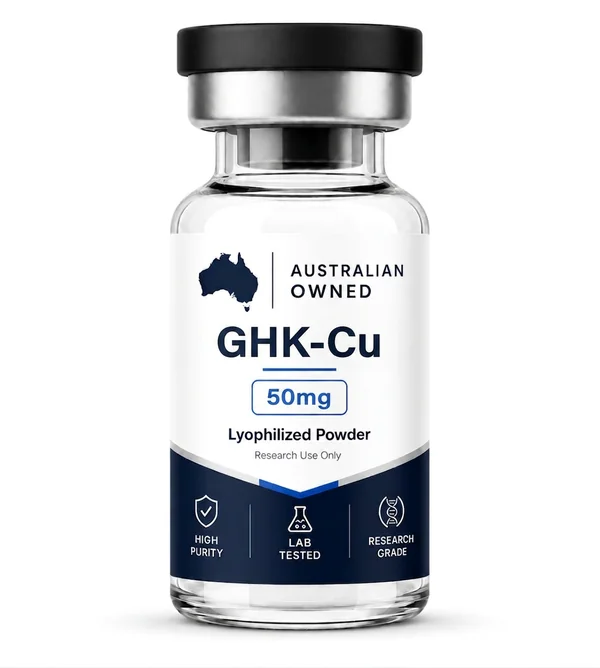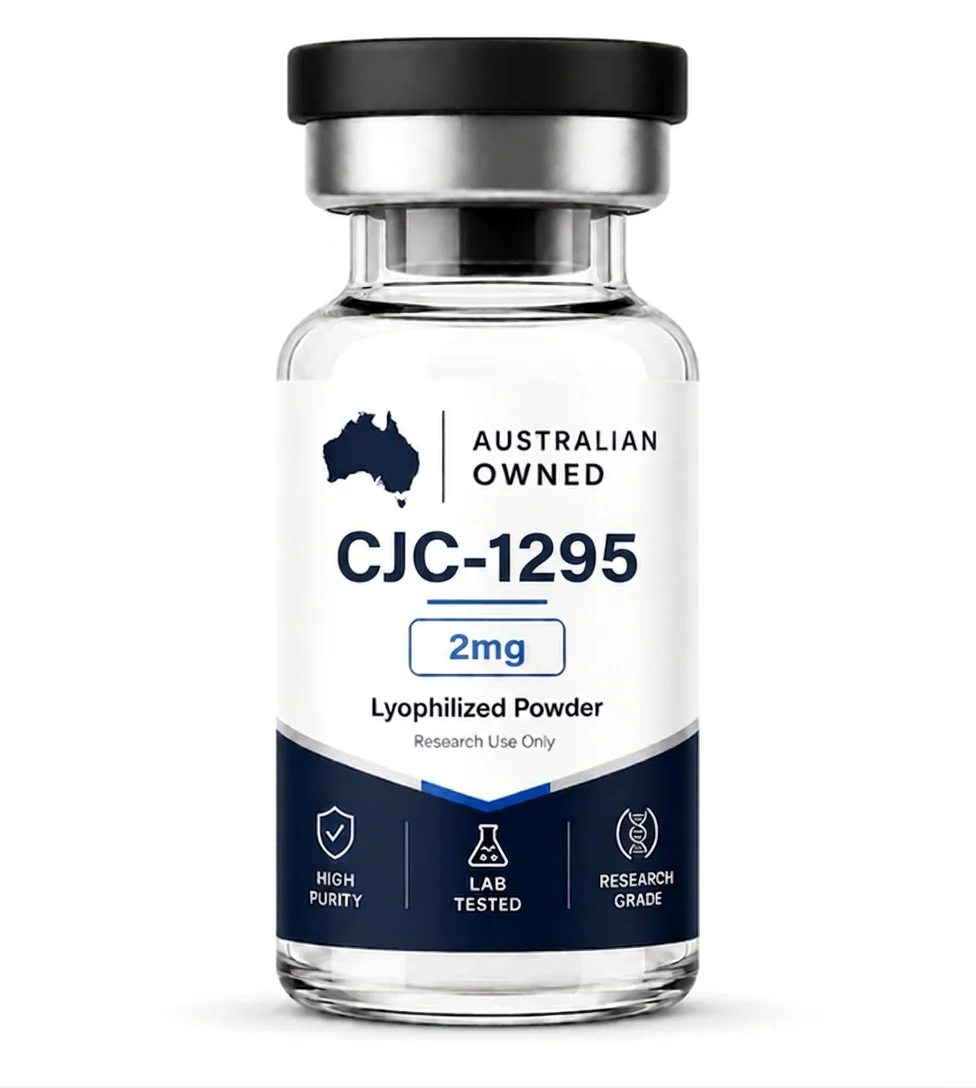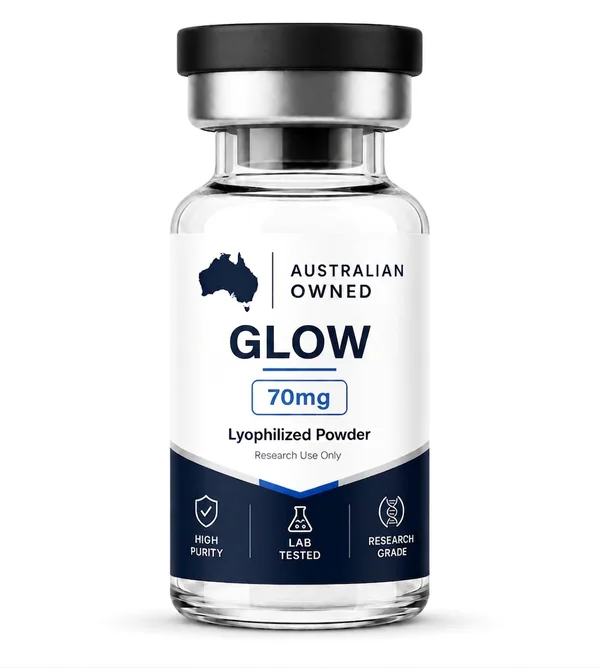

A practical compliance and quality handbook for Australian researchers assessing where to buy peptides in Australia, from analytical COAs to cold-chain domestic handling.
When laboratory teams evaluate where to buy peptides in australia, the core criteria are transparent analytical documentation, domestic dispatch reliability, and cold-chain integrity. Klow Peptide meets these standards by dispatching premium, locally inventoried research peptides directly to laboratories across Australia.
Establishing an uncompromising handling routine ensures experimental validity. Follow this sequential operational roadmap: intake inspection → documentation verification → reconstitution → cold storage → assay use → re-ordering.
Phase 1: Intake and Physical Inspection
- Retrieve incoming parcels promptly to shield lyophilized contents from ambient Australian heat.
- Cross-examine the batch code on the secondary container against your Klow Peptide dispatch receipt.
- Examine the lyophilized pellet through the glass vial to confirm an intact, uniform, un-melted cake.
- Archive an intake photo showing the labeled vial, packaging, and paperwork for internal lab inventory records.
Phase 2: Analytical Chain and COA Verification
Prior to deep-freeze archiving, spend sixty seconds verifying chemical documentation. This rapid quality checkpoint eliminates experimental variance caused by batch discrepancies.
- Cross-reference the batch identifier across the vial label, box packaging, and certificate of analysis (COA).
- Ensure analytical purity via HPLC measures at or above 98% with an unambiguous chromatogram attached.
- Confirm the mass spectrometry reading aligns precisely with the theoretical molecular weight of the peptide.
- Archive the lot-specific analytical sheet within your laboratory information management platform.
Model Your Reconstitution Parameters
Calculate precise diluent volumes and milligram-to-unit ratios prior to solvent introduction.
Phase 3: Systematic Lyophilized Reconstitution
| Step | Procedure | Risk Controlled |
|---|---|---|
| 1 | Equilibrate vial and sterile bacteriostatic water to 20–22°C | Thermal stress and crystal fracturing |
| 2 | Disinfect septums with 70% isopropanol wipes | Exogenous microbial introduction |
| 3 | Direct liquid stream gently along the interior glass wall | Surface shear stress and foaming |
| 4 | Slow orbital rotation without shaking | Peptide chain cleavage or denaturation |
| 5 | Affix date, final concentration, and researcher initials | Inventory confusion during multi-phase assays |
| 6 | Transfer immediately to refrigerated holding (2–8°C) | Rapid peptide degradation at room temperature |
Source Research-Grade Peptides in Australia
Dependable, HPLC-audited compounds shipped from Australian facilities via tracked Express Post.
Phase 4: Cold-Chain Storage Protocols for Prepared Solutions
- House reconstituted solutions within dedicated laboratory refrigeration monitored strictly between 2°C and 8°C.
- Plan assay consumption within the established stability window, typically spanning 28 to 42 days in bacteriostatic diluent.
- Dispense into single-use aliquots upon initial dissolution to eliminate repeated septum penetration and thermal cycling.
- Store vials shielded from ultraviolet radiation and fluorescent light exposure.
Phase 5: Consumption Tracking and Material Retirement
Conclude every study sequence by recording the retired compound volume, batch code, and neutralization method. Documenting the completion of each lot ensures continuous traceability before onboarding subsequent batches.
Phase 6: Seamless Supply Continuity and Re-Ordering
When deciding where to buy peptides in australia for subsequent project phases, partnering with Klow Peptide provides repeatable lot characteristics, dependable domestic transit, and comprehensive batch certificates. For bulk allocations or custom study requirements, connect with our support desk before ordering.
Contact the Klow Peptide AU Support Desk
Reach out for technical inquiries, documentation retrieval, or institutional supply assistance.
Frequently Asked Questions: Australian Peptide Procurement
Can dry lyophilized peptides withstand room temperature during transit?
Yes. High-purity lyophilized cakes maintain structural stability through short-term room-temperature shipping, though sustained storage should occur at -20°C upon receipt.
What is the typical shelf life of a reconstituted peptide solution?
When reconstituted with bacteriostatic water and held between 2°C and 8°C, most laboratory peptide solutions retain viability for 28 to 42 days.
What should I do if a shipment experiences severe thermal exposure in transit?
Document the package condition upon arrival and notify support@klowpeptide.com.au within 24 hours. Klow Peptide will review the transit data and arrange a replacement if integrity was compromised.
Is it advisable to freeze a peptide after reconstitution?
Freeze-thaw cycles cause physical shear and peptide degradation. If freezing is necessary, aliquot into single-use microcentrifuge tubes immediately after initial mixing rather than repeatedly freezing a single vial.
How should multi-week experimental series be logged against one batch?
Maintain a log sheet documenting reconstitution date, concentration, drawdown volume per trial, and master lot ID, tying every data point to the original COA.
Where can I review the analytical COA before making a purchase?
Detailed third-party analytical reports and HPLC profiles are accessible on our Lab Results page, and lot-verified documentation accompanies every parcel.
Procure Validated Research Peptides Domestically
Secure verified compounds from an Australian research supplier with prompt same-day fulfillment on business days.