A comprehensive standard operating procedure for Australian researchers acquiring tesamorelin: receipt audits, HPLC confirmation, gentle reconstitution, and cold-chain stability.
Investigators preparing to buy peptides tesamorelin typically require a reliable benchmark to assess vendor compliance before committing grant funding. Australian research settings demand documented analytical rigor, swift domestic transport to prevent thermal degradation, and crystal-clear batch documentation. This workflow outlines the critical verification stages every research facility should follow from package intake to study completion with Klow Peptide.
Managing research compounds effectively relies on a strict chain-of-custody protocol: parcel intake, analytical verification, precise reconstitution, sub-zero holding, methodical experimental usage, and restock planning. Systematically executing each step prevents common points of experimental compromise.
Phase 1: Receiving and Inspecting the Shipment
- Collect shipments immediately upon arrival during lab hours; avoid prolonged ambient exposure in external post boxes.
- Cross-reference the packaging lot identifier against the shipping confirmation issued when you buy peptides tesamorelin.
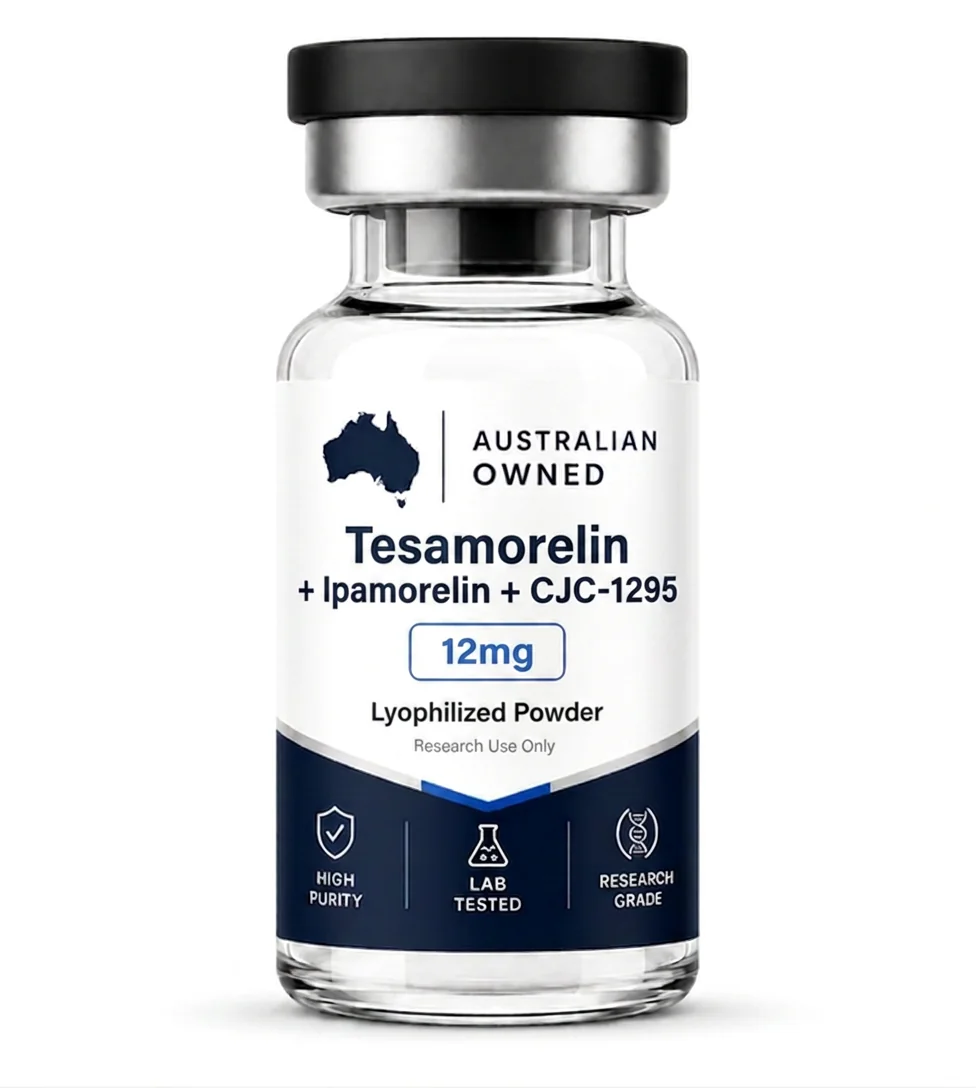
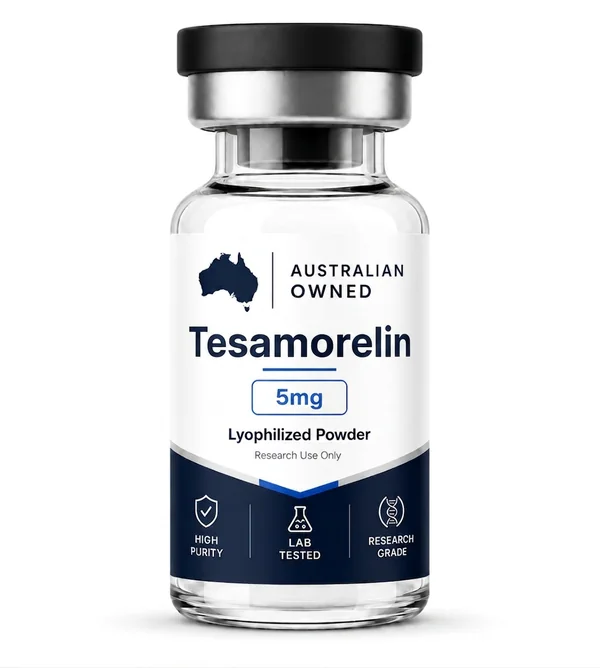
- Conduct a visual check of the lyophilized cake through the borosilicate glass to detect any collapse, discoloration, or moisture intrusion.
- Archive an intake photograph displaying the vial label, carton, and documentation for internal compliance logs.
Phase 2: Analytical Quality Control and COA Validation
Prior to transferring the compound to sub-zero refrigeration, cross-check the supplier's analytical paperwork. This fundamental checkpoint ensures complete batch traceability and guarantees against unseen degradation across syntheses.
- Audit the vial, outer packaging, and Certificate of Analysis to ensure complete lot code alignment.
- Inspect the analytical HPLC chromatogram to ensure purity levels meet or exceed the 98% threshold.
- Examine electrospray ionization mass spectrometry (ESI-MS) spectra to confirm the observed molecular mass aligns precisely with expected theoretical values.
- Upload the batch records into your institution's digital tracking repository linked to the active project.
Audit Current Quality Reports
Review independent purity assessments and mass spectrometry reports before preparing your solutions.
Phase 3: Reconstitution Method and Handling Safeguards
Secure Research-Grade Tesamorelin in Australia
Obtain high-purity lyophilized compounds backed by lot-specific testing from Klow Peptide.
Phase 4: Preserving Stability in Aqueous Solution
- Transfer reconstituted vials into consistent 2–8°C refrigeration without delay once dissolved.
- Observe established laboratory stability windows, typically working within a 28 to 42-day window when using bacteriostatic water.
- Prepare single-use sterile micro-aliquots during initial mixing for extended research runs to avoid repeated septum punctures.
- Store vials shielded from direct fluorescent exposure and thermal fluctuations.
Phase 5: Study Conclusion and Record Closeout
Once experimental procedures conclude, document the residual fluid volume and note appropriate disposal protocols against the master lot record. Reconciling inventory in this manner maintains rigorous audit readiness across recurring procurement rounds.
Phase 6: Reordering and Supply Chain Continuity
When continuing an ongoing series, securing material from Klow Peptide guarantees uniform domestic handling, identical purity baselines, and prompt Australian dispatch. Should your study mandate alternate quantities or tailored specifications, contact support beforehand to synchronize delivery schedules.
Connect With Klow Peptide Support
Reach our domestic support staff for batch-specific documentation, bulk allocations, or transit questions.
Frequently Asked Questions: Purchasing and Handling
Is ambient temperature storage permissible for freeze-dried vials?
Freeze-dried cakes tolerate short-term transit temperatures easily. For ongoing stability and long-term storage, store sealed vials at -20°C.
What is the typical working lifespan of reconstituted solutions?
When reconstituted with bacteriostatic water and held at 2–8°C, compounds in this group are generally utilized within 28 to 42 days.
What procedure applies if my parcel arrives hot during transit?
Document the condition, contact support@klowpeptide.com.au within 24 hours of delivery, and our support team will review the shipment and arrange a replacement if thermal parameters were compromised.
Can dissolved solutions undergo secondary freezing?
Repeated freeze-thaw cycles frequently compromise tertiary peptide conformation. It is preferable to store solutions at 2–8°C or divide them into single-use aliquots initially.
How can multi-stage laboratory runs maintain consistent documentation?
Record the initial hydration date, final concentration, volume drawn per assay, and the corresponding lot number so every experiment traces directly to the original certificate.
How can researchers verify batch purity certificates before purchasing?
Klow Peptide publishes batch-matched HPLC and MS documents on our Lab Results portal, with printed analytical copies included with your delivery.
Order Lab-Verified Tesamorelin
Equip your facility with tested research compounds shipped domestically across Australia.